
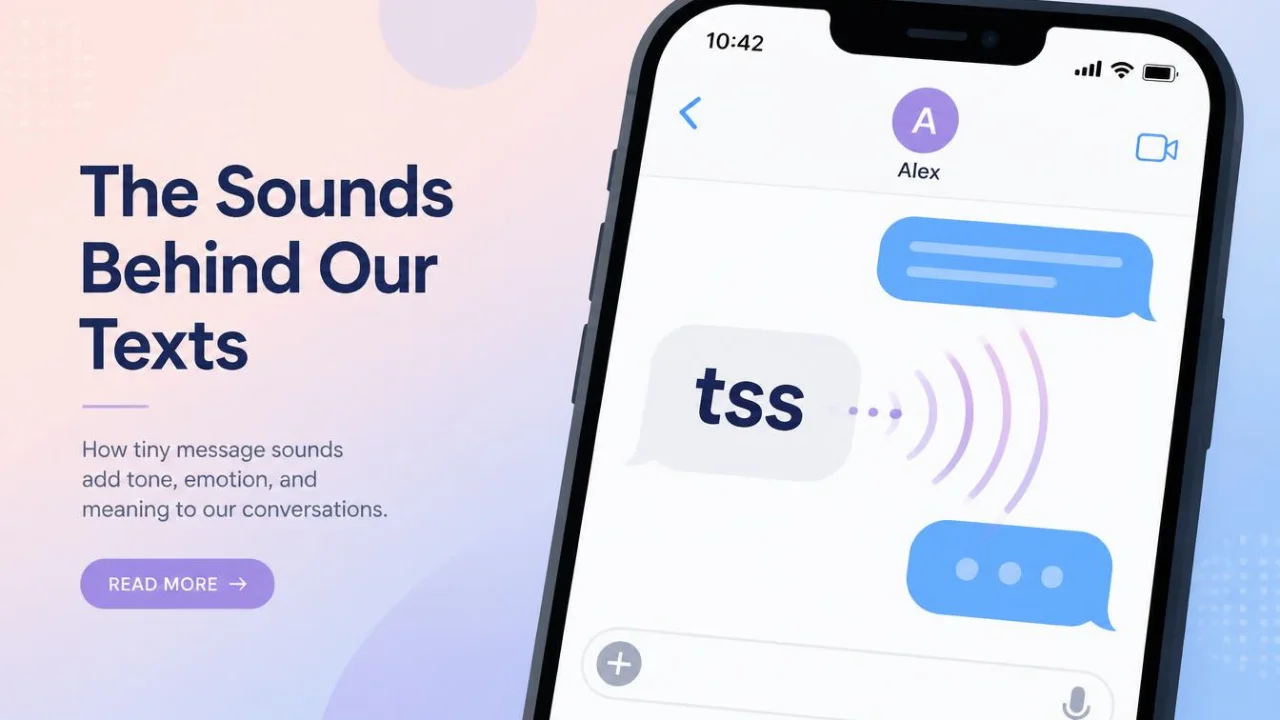

Someone sends “tss” and the conversation just pauses. Was that a joke landing? A dig? Annoyance? The three letters don’t tell you on their own, and that’s not a flaw in how you’re reading it: it’s genuinely how this expression works.
In most texts, it’s a typed sound, not an acronym. It’s how people write out a quick vocal reaction, closest to tsk, tsss, or tch, and depending on what it’s reacting to, that sound can mean disapproval, a punchline landing, or plain annoyance.
That range is exactly why it trips people up. This guide breaks down which sound is probably being made in your specific case, where that sound actually comes from, why it looks like it should stand for something (and usually doesn’t), and how to answer it without overthinking a three letter text.
What “tss” Means in a Text
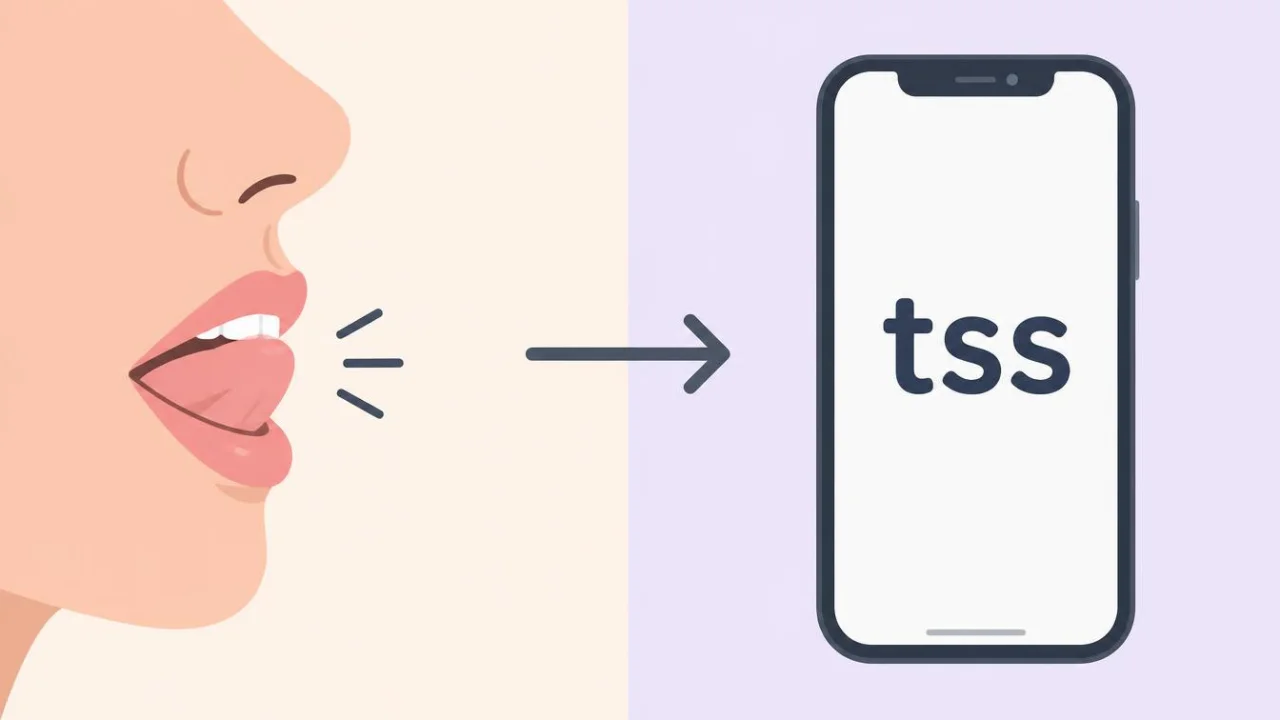
At its core, this word is a written stand in for a sound someone would make out loud, not a word being spelled out. It sits in the same family as tsk, tsss, and tch: all attempts to type a quick vocal reaction rather than say something in full sentences.
That sound can be voicing a few different things:
A tongue click: the “tsk tsk” of mild disapproval or teasing. A rimshot: the “ba dum tss” drum hit after a joke. A hiss of annoyance: closer to an exasperated sigh than a judgment.
Because all three get typed the same three letters, the word itself doesn’t settle the tone. What’s around it does.
“You ate the whole pizza by yourself?” “tss”: that’s playful, not scolding. Swap the sentence before it, and the same reply reads completely differently. That’s the whole puzzle of this term, and it’s the one thing worth understanding before anything else.
Which “tss” Is It? Reading the Context
Since the letters stay fixed while the meaning moves, the real skill isn’t memorizing a definition: it’s reading the signals around it. A few things to check, roughly in order of how reliable they are:
What came right before it: a mistake or confession tends to pull it toward judgment. A pun or deliberately bad joke pulls it toward the rimshot. A complaint or humblebrag pulls it toward dismissal. The emoji, if there is one: a laughing emoji next to it reads as playful. An annoyed emoji reads as irritated. No emoji at all is the hardest to place, and often the coldest. Punctuation and stretch: a trailing ellipsis leans toward disappointment or disbelief. A stretched out spelling, like “tsss” or “tssss,” tends to carry more exasperation. A flat period at the end reads the coldest of all. Casing: lowercase almost always behaves like a sound. Full caps leans slightly more toward emphasis or, occasionally, someone actually meaning it as an acronym, though that’s rarer than people assume. Who’s sending it and the tone of the thread so far: the same word from someone who’s been joking all conversation lands differently than from someone who just seemed annoyed two messages ago.
When none of that resolves it, the safer default is to read it as playful rather than pointed, and if it genuinely matters, just ask.
When It’s a Joke Sound (the “ba dum tss” use)
The drum sting sound written out follows a pun, a dad joke, or a joke someone knows landed badly on purpose. It works almost like typed laughter.
A: “I’m on a seafood diet. I see food and I eat it.” B: “tss, that was so bad.”
Here it’s affectionate, even self deprecating when someone uses it on their own joke.
When It’s Judgment or Disappointment
Here the tongue click sense takes over: the typed version of someone shaking their head. It’s usually mild, more “come on now” than a real scolding.
A: “I forgot the assignment again.” B: “tss, you always do this.”
Between friends, this one is almost always teasing rather than serious.
When It’s Dismissal or Annoyance
This version carries more edge: closer to “whatever” or an eye roll than gentle teasing.
A: “he said he’d text back and never did.” B: “tss, typical.”
Of the three, this is the one most likely to read as cold if the sender is genuinely irritated rather than joking.
Why It Looks Like an Acronym But Usually Isn’t
A lot of the confusion around this term comes from people assuming three capital friendly letters have to stand for something. Most of the time, they don’t.
You’ll see a few guesses floating around slang sites:
“That’s So Sad”: a common guess based on how the letters look, not an established meaning. If you see this offered as the definition, treat it skeptically. “That’s So Sweet”: this shows up in some slang references for clearly positive, affectionate messages, but it’s a far less established reading than the sound based use, and it isn’t something you should assume by default. If a message is warm and complimentary, it’s possible that’s the intent, just don’t treat it as settled. Various other expansions circulating online with no real backing.
If a page confidently hands you a full form for this word, it’s often guessing. Urban Dictionary, where a lot of these expansions originate, is user submitted, which is exactly why entries for the same term can flatly contradict each other. The most reliable answer here is the least satisfying one: in most chats, it isn’t standing for words at all. It’s a sound.
Where the Sound Comes From
Three real world sounds feed into the way people type this reaction, and knowing them makes the tone reading above make a lot more sense.
Tongue clicking is the oldest of the three: the sound written in English for a long time as “tsk,” “tsk tsk,” or “tut tut,” used to show mild disapproval or exasperation well before texting existed.
The comedy rimshot, written as “ba dum tss” or “ba dum tish,” is the drum and cymbal hit after a punchline. When this word shows up right after a joke, this is usually the sound being invoked, not the tongue click.
Sucking or kissing teeth is a distinct expressive sound, documented in Caribbean English and West African English, used to communicate contempt, frustration, or dismissal, and typed in a range of spellings. This is worth knowing because it explains something real: the same reaction can land as light teasing to one reader and as something much closer to open contempt to another, depending on the expressive traditions they’re used to.
What isn’t established is when this spelling specifically started appearing in text form, or which platform it started on. Any article that gives you a first use date or a founding platform for this term is filling in a gap that the research doesn’t actually support.
How “tss” Reads on Different Platforms
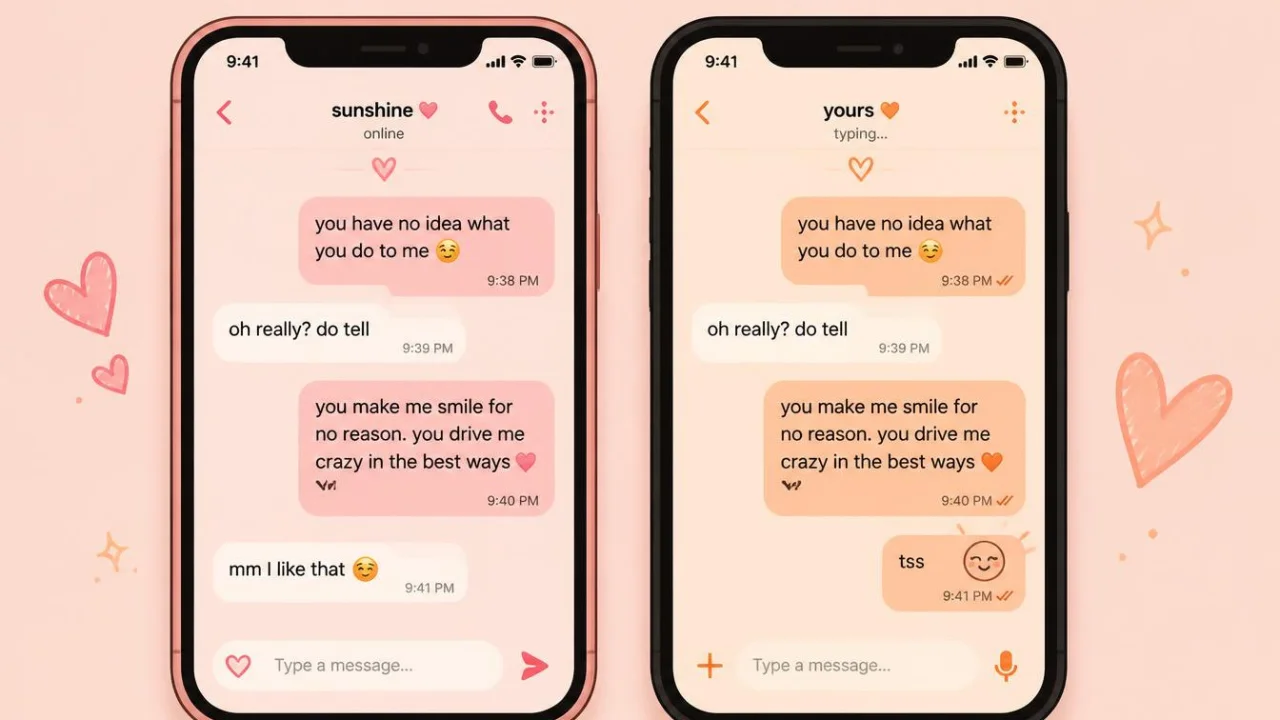
The sound itself doesn’t really change from app to app: what changes is who it’s aimed at, and that shifts how it lands.
TikTok and Instagram comments: usually reacting to someone else’s video or post, so the “target” is the person on screen, not the reader personally. Lower stakes, often playful, such as “you really thought that outfit was it, tss.” Snapchat and DMs: sent directly to you, which gives it more weight even when it’s meant lightly.
A reply like this on a snap about oversleeping again reads more personally than the same word left on a stranger’s video. Group chats and gaming chat: functions almost like a reaction emoji.
Someone whiffs an easy shot in game or admits to a dumb decision, and it fills in for a laugh or a groan without anyone breaking stride. Dating apps and flirty threads: covered on its own below, since the existing tone of the conversation matters more here than on any other platform.
What It Means From a Girl, a Guy, or a Crush
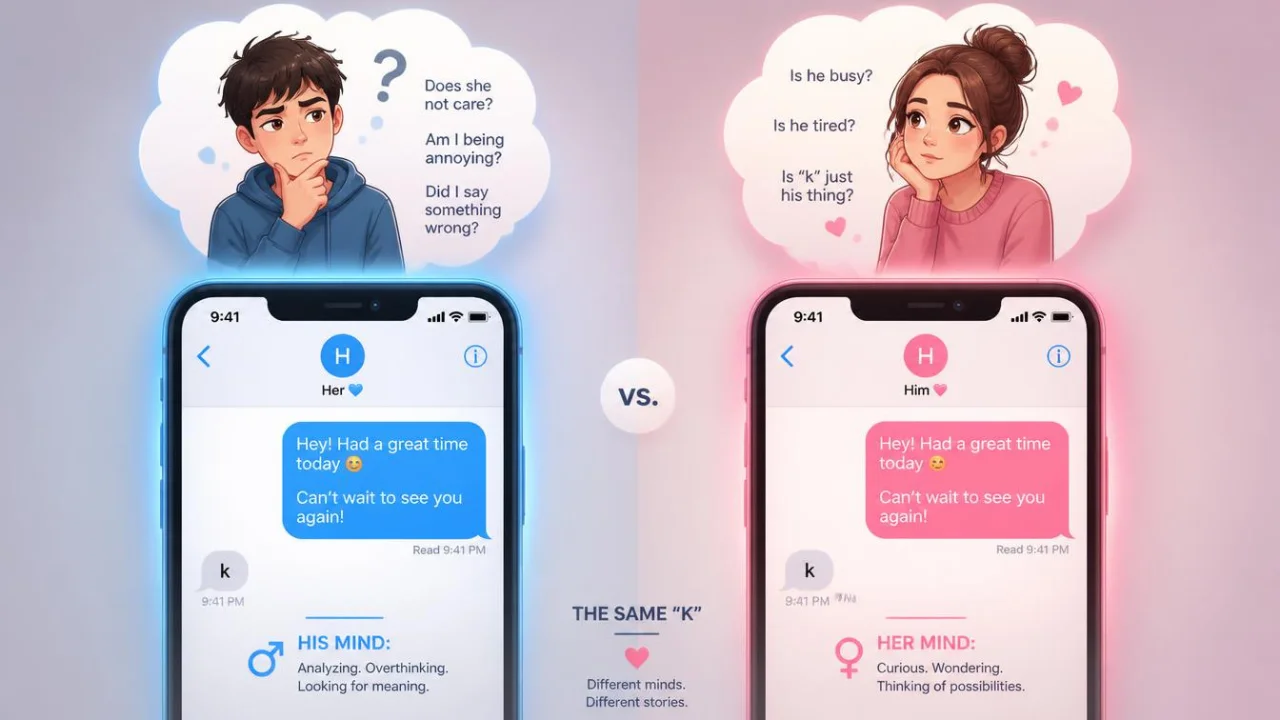
The meaning doesn’t change based on who sends it: this reaction from a guy and from a girl are functioning the same way. What actually shifts the read is the tone the conversation already had going in.
If the thread has been playful or a little flirty, it fits right into that and can feel teasing in a good way, closer to “oh really?” than an actual complaint. If it shows up out of nowhere after something more neutral, it’s more likely just a quick reaction than a signal of anything deeper.
It’s easy to overread three letters when you’re hoping for a particular meaning, especially from a crush. The safer approach is to weigh it against how the rest of the conversation has been going rather than treating the word itself as evidence of interest.
How to Reply to “tss”
The best reply depends on which version of “tss” you think you got.
If it followed a joke, the rimshot version: play along. A groan, a laughing reply, or doubling down on the bad joke all work.
If it’s light teasing over something you admitted: own it rather than getting defensive. “I know, I know” or “don’t judge me” both land fine.
If it feels colder or came after something that stung a little: matching the joking energy can actually make it worse if they meant it more seriously. Naming it directly, such as “was that a real tss or a joking one,” clears it up faster than guessing.
If you genuinely can’t tell: a light mirror, like “tss yourself,” or a simple “lol why” both keep things moving without committing to a read you’re not sure about.
Mistakes People Make With “tss”
A few recurring ways people get this term wrong:
Reading every instance as an insult: most of them are jokes or light teasing, not real criticism. Assuming it has to stand for something: as covered above, it usually doesn’t. It’s a sound first. Using or receiving it around something genuinely difficult: dropping it into a serious conversation, bad news, a real problem someone’s venting about, tends to land as dismissive even if that wasn’t the intent.
This is the one context where the term reliably backfires. Confusing it with “TS”: these look related but aren’t. “TS” is a separate, currently very common piece of texting slang, generally short for “this shit,” as in the widely used “ts pmo.” It’s not an expansion of “tss,” and mixing the two up is an easy way to misread a message. Applying the wrong field meaning: in a health, water quality, or business context, TSS is almost certainly the acronym below, not the chat sound, and vice versa.
“TSS” Outside of Texting
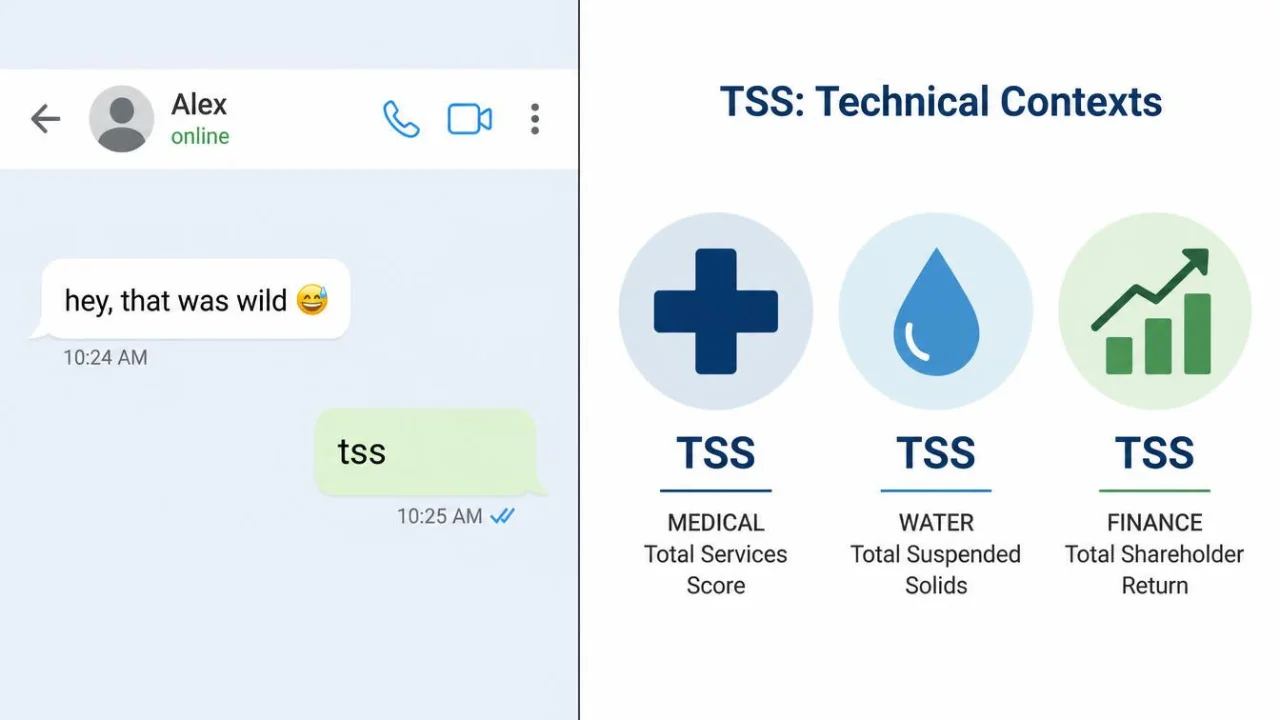
Outside of chat, “TSS” is a genuine acronym in a few unrelated fields:
| Field | Meaning |
|---|---|
| Medical | Toxic Shock Syndrome |
| Environmental/water testing | Total Suspended Solids |
| Payments/finance | Total System Services (TSYS) |
Total Suspended Solids is worth flagging specifically, since it’s often confused with TDS (Total Dissolved Solids): a related but different water quality measurement. If you landed here searching either of those, this is the acronym you’re after, and it has nothing to do with the texting use.
Beyond these, plenty of companies and schools have their own internal acronyms that happen to use the same three letters. Those aren’t things you can look up generically, since they’re specific to the organization using them. As a rule of thumb: if “TSS” shows up in caps inside a technical, medical, or business document, it’s an acronym. If it shows up lowercase in a text reacting to something someone just said, it’s the sound.
Similar Reactions You’ll See Online
This isn’t the only shorthand reaction doing this kind of work. A few close relatives, and how they differ in tone:
tsk: more openly and clearly disapproving, with less playful ambiguity. smh (“shaking my head”): signals fuller disappointment, usually less teasing. oof: sympathetic rather than judging, reacting to someone’s bad luck rather than at them. sheesh: often impressed or startled, and frequently positive. bruh: disbelief or exasperation, without the same judgmental edge. yikes / damn: secondhand embarrassment, reacting to how bad a situation looks rather than judging the person.
The common thread: these all compress a reaction into one word, but they don’t all point the same emotional direction. Some sympathize, some judge, some just react.
Final Thought
The letters never change, but the sound behind them does, and once you’re listening for which sound, this word stops being ambiguous and starts being pretty easy to read.
Not sure what “tss” means when someone texts it back? Meaning Insider breaksdown every possible meaning and how to reply.
FAQs
Does “TSS” stand for anything in texting? Usually not. In most chats it’s a typed sound rather than an acronym, closer to “tsk” or a rimshot than a phrase being spelled out.
What does it mean on Snapchat? The same sound based meanings apply, but since Snapchat messages go directly to you, it tends to feel more personal than the same word left in a public comment.
Is it rude? Not usually. It’s most often playful or mildly teasing. It can read as dismissive if it shows up during a serious or emotional conversation.
Is it the same as “tsk”? Closely related but not identical. “Tsk” leans more clearly toward disapproval, while this version covers a wider range, including the joke based rimshot use.
Does it mean “that’s so sad”? That’s a common guess based on the letters, but it isn’t an established meaning. The sound based reading is far more common.
What does “TSS” mean in water testing? In that context, TSS stands for Total Suspended Solids, a measurement used in water quality testing, unrelated to the texting use.
